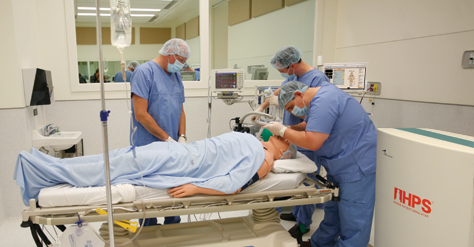
Integrate specific learning content into your programs and add critical learning opportunities to real-life simulated environments with our Simulated Clinical Experiences (SCEs)
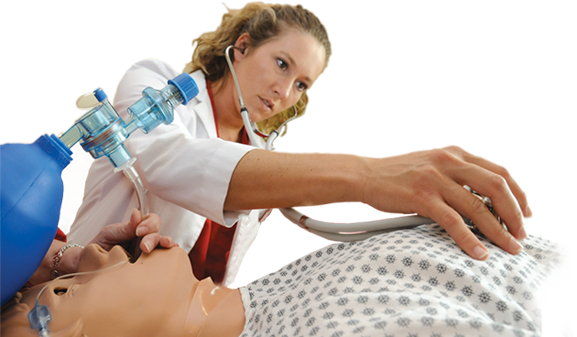
Healthcare educators today regulary utilize CAE Healthcare simulators in the classroom to enrich learning experiences and foster best practices.
CAE Healthcare’s patient simulators are the gold standard for medical education programs throughout the world.
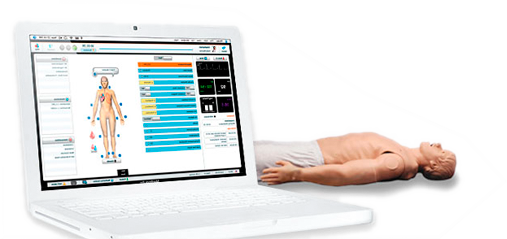
CAE Healthcare’s Learning Applications include a collection of carefully defined Simulated Clinical Experiences (SCEs) that allow you to easily integrate specific learning content into your program and add critical learning opportunities to real-life simulated environments, quickly and easily.
All Learning Applications contain the following:
Simulated Clinical Experiences documentation including: synopsis, patient history, handoff report, orders, learning objectives, learner performance measures, equipment and supplies, facilitator notes, teaching questions and answers, debriefing points and references
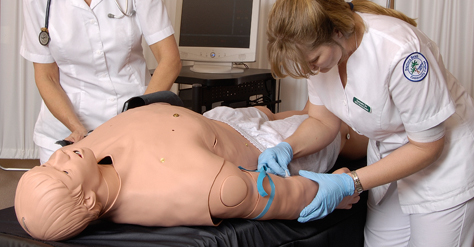
The Adult Nursing Learning Application contains 20 Simulated Clinical Experiences (SCEs) from our popular Program for Nursing Curriculum Integration (PNCI®). It is composed of twenty of the most popular SCEs used by nursing schools and covers a variety of patient types and acuity levels.
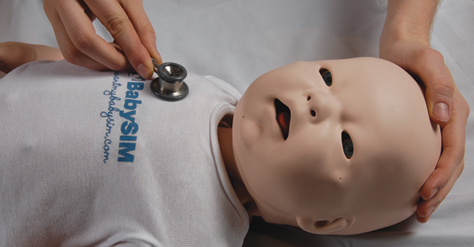
Infant Nursing includes all eight of the SCEs developed from the PNCI for those specifically interested in simulations involving the care of an infant patient. These SCEs cover a variety of patient problems and acuity level. SCEs are focused on care of the infant up to nine months old.
Pediatric Nursing includes the 16 SCEs developed for the PNCI for those specifically interested in simulations involving care of the pediatric patient. The SCEs focus on the care of pediatric patients ranging in age from 5-8 years old. All involve care of the family unit with various psychosocial issues highlighted that affect care of the pediatric patient.
The Foundations of Nursing Practice Learning Application is designed for beginning students in all types of professional nursing programs. The 10 SCEs provide fundamental nursing concepts, skills and techniques of nursing practice and the foundation for more advanced areas of study. A special focus is also on physical assessment of the patient with various abnormal findings. These SCEs are from our popular PNCI.
The Respiratory Education Simulation Program (RESP) was developed in Partnership with the American College of Chest Physicians and highlights the basic fundamental principals and concepts of science pertinent to the clinical practice of respiratory therapy. This three-part learning program consists of 30 SCEs designed to enhance the learning of respiratory care practitioners including diagnosis, treatment and abnormalities associated with the cardio-respiratory system.
Developed in Partnership with the American College of Chest Physicians
The Rapid Assessment and Intervention Learning Application was developed in partnership with Community Hospital Alternative for Risk Transfer (CHART) Institute to assist hospital teams in acquiring the competencies for rapid identification of patient’s in distress on the general nursing units and appropriate response. These 10 SCEs are focused on the most common emergencies that require timely intervention to promote positive patient outcomes.
The EMS Learning Series is made up of six Learning Applications each containing a total of 10 SCEs that provide graded learning and performance objectives spanning across all EMS provider levels described in national standards. The EMS learning program was developed in partnership with Fox Valley Technical College and the Advanced Life Support Institute. The entire series covers both adult and pediatric patients cared for by EMS providers.
The Pediatric Emergencies Learning Application includes 8 SCEs that are designed to teach common medical emergencies that are most often associated with children. The SCEs are focused on the top reasons children are admitted to the emergency department. This Learning Application can be used for both prehospital providers and emergency department team training.
Infant Emergencies includes 8 SCEs that are designed to teach common medical emergencies that are most often associated with babies and infants. The SCEs are focused on the top reasons infants and babies are admitted to the emergency department. This Learning Application can be used for both prehospital providers and emergency department team training.
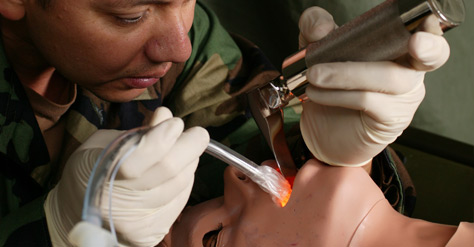
One of our most popular learning applications, Cardiopulmonary Critical Situations contains 8 SCEs that are focused on the care of patients with advanced airway management needs due to differing underlying etiologies. All SCEs are easily used for team training for these medical and surgical emergencies in any setting.
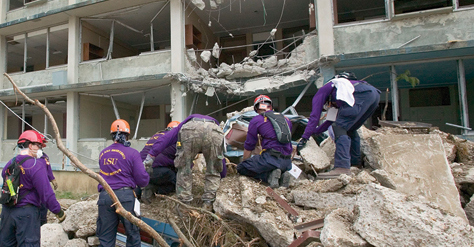
CAE Healthcare developed the Disaster Medical Readiness (DMR) Learning Application in an effort to isolate the most critical components of disaster and mass casualty patient care. Recently revised, the DMR Learning Application meets the standards for disaster medical response and is aligned with the US National Disaster Planning Scenarios and the Target Capabilities List. Utilizing the “All Hazards” approach to disasters, the DMR Learning Module is a valuable tool to help meet the various training needs for integrated disaster medical response. The SCEs focus on various chemical, biological and nuclear forms of weapons of mass destruction and the mass casualties they result in.
With every year that passes, weapons and tactics used in tactical situations are becoming increasingly more advanced. For that reason, our military and tactical medics must be ready with the most advanced medical training available. CAE Healthcare’s recently revised and updated Tactical Medical Care Learning Application (TMC) provides the tools needed to improve proficiency and sustain the required skills of combat and civilian tactical medics. The SCEs listed in TMC are consistent with Tactical Combat Casualty Care (TC3).
The TMC Learning Application includes SCEs that give the educator the ability to conduct and meet specific training objectives. This methodology is consistent with a “train as you fight” approach that is derived from lessons learned in current theater of operations around the world. This learning application contains 30 SCEs.
The ACLS Learning Application is designed for facilitating learning of the American Heart Association (AHA) algorithms related to emergency cardiac care. Based on the 2010 AHA Guidelines, the ACLS Learning Application includes an ACLS Critical Actions Checklist for use in evaluating team performance. This learning application contains 10 SCEs.
The Advanced Life Support (ALS) Learning Application is designed to assist healthcare providers in community and hospital settings to practise and rehearse caring for patients who require advanced resuscitation. Based on the European Resuscitation Council Guidelines for 2010 the 10 simulated clinical experiences (SCEs) will facilitate the learning of staff who are required to undertake this role as part of their professional practice.
The PALS Learning Application is designed for facilitating learning of the AHA algorithms related to emergency care of the pediatric patient. It is based on the 2010 PALS AHA Guidelines. This learning application contains 10 SCEs.
The European Paediatric Advanced Life Support (EPALS) Learning Application was designed in accordance with the European Resuscitation Council Guidelines for Resuscitation 2010. These 10 simulated clinical experiences (SCEs) will assist the healthcare professional in community and hospital settings in becoming proficient at managing sick children in life threatening conditions.
This Learning Application consists of 10 surgical patient care SCEs, which allow learners to incorporate many of the American College of Graduate Medical Education (ACGME) core competencies required in health care provider training during the course of patient assessment, diagnostic evaluation and management. The Perioperative Management Learning Application may be used for both surgical resident training and team training in both the perioperative and intensive care arenas. The SCEs include preoperative, intraoperative and postoperative settings for patient care
Today’s caregivers in the area of critical care medicine face extraordinary challenges every day, from the rapid advancements in technology and demands on available resources, to the constant search for ways to improve the level of patient safety and care for critically ill patients.
To address these challenges, CAE Healthcare has teamed up with the European Society of Intensive Care Medicine (ESICM), a leading European medical professional society dedicated to the advancement and promotion of knowledge and best practices in intensive care medicine. This unique Learning Application provides patient simulation learning tools tied directly to ESICM’s Patient-Centered Acute Care Training (PACT) curriculum, a multidisciplinary teaching standard used by over 5,000 physicians from medical institutions throughout Europe. The 20 SCEs contained in the PACT Simulation Learning Application are tracked directly to the competency-based program at the core of the PACT curriculum and provide learners with the latest patient simulation tools available to facilitate their learning.
New to our site? Register today to sign up for a course, make an online purchase or comment on our blog. Registration should only take a few minutes and we will not share your information with any third parties.
 Worldwide Presence