 Présence mondiale

Trois Arguments Convaincants pour la Formation Materno-fœtale Simulation
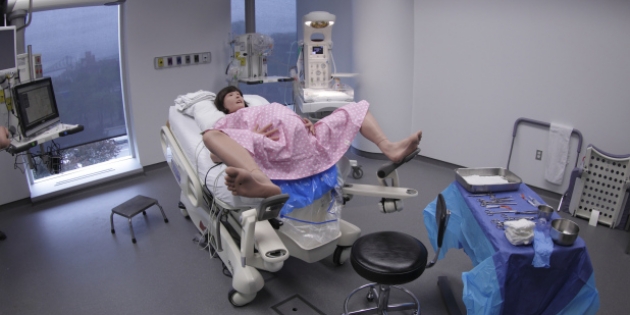
"...simulation has the potential to positively impact education, quality of care, and patient safety..." 1
When assessing the many preventable factors which may contribute to negative outcomes in maternal-fetal medicine, human error and ineffective communication are at the top of the list.
Minimizing the impact of adverse events, and increasing the likelihood for positive results, is of paramount importance. For this goal to become a reality, learners must receive expert training and intensive practice in technical, procedural and teamwork skills - well before they manage the healthcare of actual patients.
Simulation-based training offers this kind of preparation, providing trainees in obstetrics and maternal-fetal medicine with realistic and risk-free experiential learning opportunities. Through evidence-backed research, maternal fetal simulation has proven to be an invaluable adjunct to clinical training, a reliable teaching tool for advancing medical knowledge and the key to reinforcing technical skills and cross-team communications.
Excerpts from just a few of the most convincing arguments for simulation training in maternal and obstetric medicine are provided below.
Maternal-Fetal Medicine & Simulation Training: Making the Case
- In December 2013, Cambridge University Press published ROBuST: RCOG Operative Birth Simulation Training. Relative to the Royal College of Obstetricians & Gynaecologists' Operative Birth Simulation Training (ROBuST) course, the authors wrote the following:
"Training in safe operative birth is a key priority in obstetrics. Around one in five women are dissatisfied with their labor and birth, especially operative birth, often because of poor communication or inadequate technical skills … Simulation in obstetrics allows training and practice in a safe environment and can improve the performance of individuals and obstetric teams. There is overwhelming evidence that simulated practice leads to improvement for obstetricians in both their technical and communication skills. …”
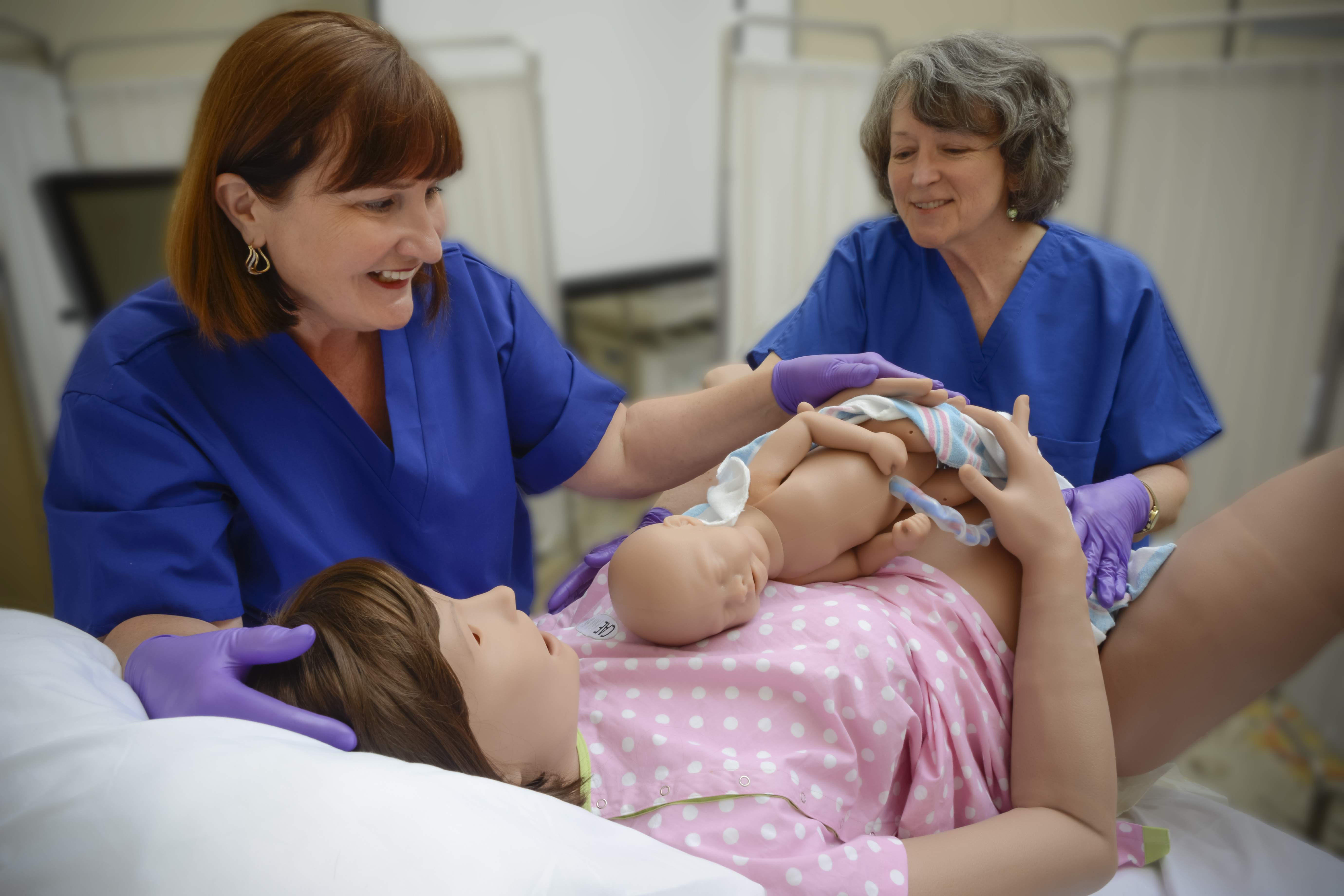
- A study, conducted in late 2007 at a District General Hospital in Britain, subjected teams to lecture based learning, simulation based teaching, and a combination of the two with the goal of determining the most effective method of delivering training to staff on the management of an obstetric emergency. Though all teams showed some improvement in overall performance, the report concluded:
"The teams taught using simulation only were the only group to demonstrate sustained improvement in clinical management of the case, confidence, communication skills, and knowledge. The simulated based teaching group reported transferable skills and less anxiety in subsequent emergencies. Simulation based training is an appropriate proactive approach to reducing errors and risk in obstetrics, improving teamwork and communication, whilst giving the student a multiplicity of transferable skills to improve their performance."
- Offering what we can only say is one of the best arguments for the usefulness of maternal fetal simulation training, we leave you with this statement, from Dr. Diogo Ayres de Campos, perinatal obstetrician, professor of Medicine at the University of Porto, council member of the European Board and College of Obstetrics and Gynecology, coordinator for obstetric simulation at the Portuguese College of Obstetrics and Gynecology, and lead developer of physiology for the CAE Fidelis Lucina Maternal Fetal Simulator:
"There have been enormous improvements in perinatal care affecting both maternal and perinatal mortality over the last 100 years. However, to achieve further reductions in these indicators, one needs to address the very rare complications, not only in terms of diagnosis but also in anticipation and appropriate treatment. Simulation is the only way of achieving and maintaining competence in the management of such rare situations."
Published studies thus far continue to support simulation for practicing routine and emergency obstetrical and maternal-fetal procedures. Research overwhelming shows that simulation is a viable, credible, and safe means to improve technical proficiency, build learner confidence and reinforce clinical teamwork.
Contact CAE Healthcare to explore the many benefits of simulation-based education. Find out how our training courseware, patient simulators and learning solutions contribute to improving patient outcomes.
View the Fidelis Lucina Brochure here
Subscribe to the CAE Healthcare Blog & Receive Automatic Updates



Sources:
1Goffman D. Introduction: The evolving role of simulation in maternal–fetal medicine. Seminars in Perinatology, Jun 2013
Attilakos G, et.al. ROBuST: RCOG Operative Birth Simulation Training. Cambridge University Press, Dec 2013
Birch L, et.al. Obstetric skills drills: evaluation of teaching methods. Nurse Education Today, Nov. 2007