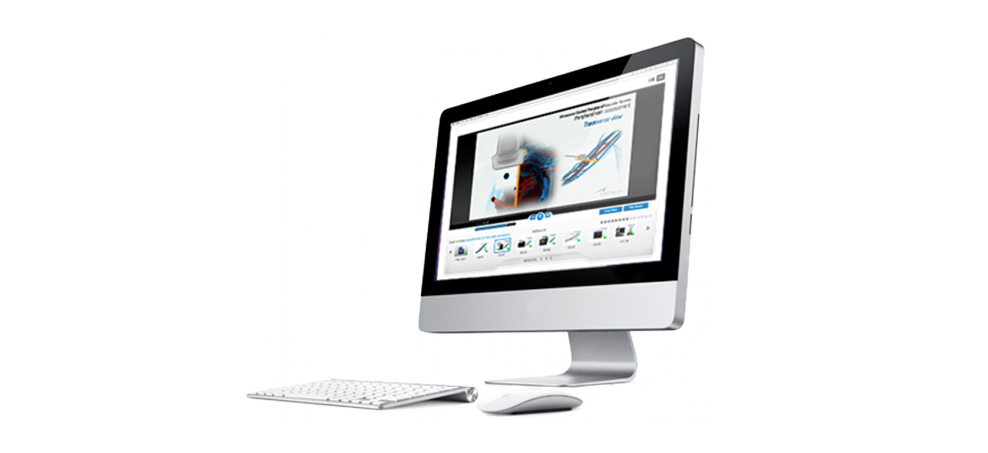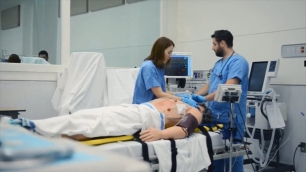




ICCU e-learning covers components of the Focused Cardiac Ultrasound exam, assessment of central and peripheral vessels, assessment of the pleural space and lung and ultrasound-guided procedures for peripheral vascular access. The unique learning management system allows institutions to streamline training time and resources so instructors can focus on guiding hands-on, bedside practice. The curriculum is based on guidelines from the International Consensus Statement on Training Standards for Critical Care Ultrasonography.

ICCU is endorsed by the American College of Chest Physicians (ACCP), the Canadian Critical Care Society (CCCS), The American Society of Echocardiography (ASE), the Critical Care Education Network, the Quebec Pulmonologist Association and the University of Montreal. ICCU is recognized for CME credits by the American Medical Association and by the Royal College of Physicians and Surgeons in Canada.
With 18 hours of online, multimedia didactic content and 900+ testing questions, ICCU is flexible and accessible on any mobile platform. One learner can purchase an individual license, or an organization can purchase an institutional license and grant access to groups of learners. The institutional license format provides online assessment and measurement of each learner’s progress and performance. ICCU training can be adapted to learner groups and tailored to an institution’s needs.


The Focused Cardiac Transthoracic echo curriculum covers in detail the principles and applications of the basic transthoracic echo examination. Focused transthoracic echocardiography is performed and interpreted by the clinician at the bedside in order to establish diagnosis and to guide therapy of the patient with cardiopulmonary failure.
The 7.5 hours of content of the FOCUS curriculum is divided in 6 courses and 36 modules. The courses allow for the participant to learn in a systematic, organized way, the elements of echocardiography that are required in order to achieve competence in focused transthoracic echocardiography.
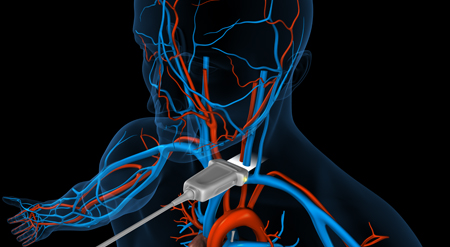
The curriculum on Assessment of Central and Peripheral Vessels covers in detail the principles and applications of the vascular exam as performed in the acute and non-acute care settings. The 5.5 hours of content of the curriculum is divided in 3 courses and 26 modules. The courses allow for the participant to learn in a systematic, organized way the elements of the Focused Vascular Exam that are required in order to achieve competence in the Assessment of Central and Peripheral Vessels. The learner will review the literature pertinent to Ultrasound Vascular Access, see demonstrations on how to perform an ultrasonographic examination of the main vessels, including: internal jugular, subclavian, femoral and peripheral veins, learn how to recognize anatomical variants such as: thrombus, artefacts and other anomalies of the vascular system, learn how to perform lower extremity Deep Vein Thrombosis (DVT) screening and learn how to perform ultrasound-guided line placement.

The curriculum on Assessment of Pleural Space and Lung covers in detail the principles and applications of pleural ultrasound. It reviews the literature, training guidelines, anatomy and the assessment of the pleural space for fluid. It describes the various types of simple and complex effusions and covers pleural effusion quantification as well as ultrasound-guided thoracentesis. The 2.5 hours of content is divided in 7 modules and contains 135 interactive multimedia questions.
The curriculum on Ultrasound-Guided Peripheral Vascular Access is intended for nurses and covers in detail the principles and applications of peripheral vein assessment and peripheral venous catheter insertion using ultrasound. The 2.5 hours of content of this curriculum are divided in three courses and 12 modules that are extensively illustrated with multimedia material and include review questions. The curriculum allows for the participant to learn in a systematic, organized way the elements of the procedure in order to achieve competence in safe and successful peripheral venous catheter placement using ultrasound guidance.


The Learning Center is an interactive learning portal dedicated to providing the most up-to-date information on bedside ultrasound. Navigate through clinical cases, read articles from the journal club, analyze clips and images from an atlas of cases, practice assessment of ventricular function, and interact with the ICCU collaborative community.
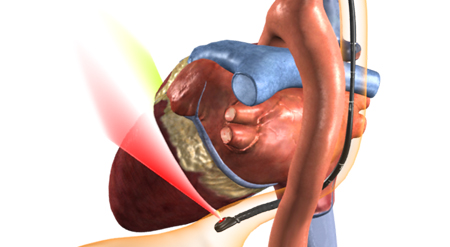
The Focused Transesophageal Echocardiography curriculum covers in details the principles and applications of the basic transesophageal echo examination. Focused transesophageal echo is performed and interpreted by the clinician in order to establish diagnosis and to guide therapy in the perioperative setting and in the acute care environment.
The 8.0 hours of content of the Focused Transesophageal Echocardiography curriculum are divided in 11 courses and 36 modules. The courses allow for the participant to learn in a systematic, organized way, the elements of transesophageal echo that are required in order to achieve competence in focused transesophageal echo.

CAE Healthcare has partnered with Ascentium Capital to deliver custom financing and equipment leasing options for your program or institution.
Ascentium’s consultants have in-depth knowledge and experience tailoring solutions that meet the requirements of private, public or municipally owned hospitals, nursing, health sciences and medical schools and private EMT training companies.
 Worldwide Presence