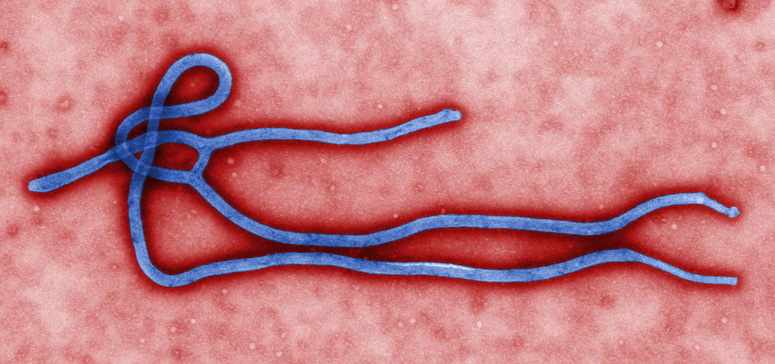
The Ebola virus epidemic of 2014 continues to be the largest outbreak in history, and the most complex since the virus was first identified in 1976.
New numbers, released by the World Health Organization (WHO) on April 1, 2015 report confirmed, probable and suspected cases of Ebola have reached over 25,000.*
[updated 4-2-2015]
To date, the Ebola virus disease (EVD) has greatly affected the West African countries of Guinea, Sierra Leone, Liberia, and Nigeria. Travel-associated and limited transmission cases of Ebola have also occurred in France, Britain, Germany, Norway, Spain, Senegal, Mali, and the United States, bring the global total to over 25,210 confirmed and suspected cases.1
Recent news shows the disease has not yet abated in certain areas.
Get Preparedness Training for Your Healthcare Workers
Free Download: Ebola SCE for Training
In an effort to assist clinicians with gaining knowledge, confidence and competency in handling suspect and diagnosed cases of Ebola infection in patients, CAE Healthcare is offering a free, downloadable Ebola Simulated Clinical Experience (SCE) for the entire healthcare community.
Below, we will address some of the most frequently asked questions about the Ebola virus. Additional information is available from the Centers for Disease Control and Prevention (CDC) and from the World Health Organization (WHO).
1. How is Ebola spread?
The Ebola virus is transmitted by direct, physical contact with the blood, or other bodily fluids, of a person (or animal) that is symptomatic with Ebola. Healthcare workers, family members and others who may come into close contact with an Ebola patient are also at a heightened risk of getting sick because they may come in contact with infected blood or body fluids.
The CDC says symptoms can start appearing anywhere from two to 21 days after initial exposure, with the average incubation period lasting between 8 to 10 days. This is why persons who suspect they may be infected are advised to isolate themselves and self-monitor for symptoms until the incubation period is complete and they show no Ebola symptoms. People are infectious as long as their blood and secretions contain the virus.
2. What are some of the symptoms of Ebola?
Ebola is a bi-phasic disease, meaning that there are progressive stages to the illness. In the earliest stage, the virus presents with flu-like symptoms such as fever, muscle aches, nausea, and vomiting. Later, the patient experiences respiratory distress, GI discomfort, and viral hemorrhagic fever. In its most severe manifestations, Ebola leads to blisters on the skin, external hemorrhaging, seizures, organ failure, and death.
WHO estimates more than 10,000 cases of Ebola have been reported as fatalities.
3. If Ebola is such a deadly disease, how is it that some people have gotten better?
Currently, there is no vaccine nor a cure for Ebola.
Ebola survivors are individuals who have been successfully treated for the virus, and continue to show no signs of the illness. Patients who receive proper, aggressive treatment as soon as a low-grade fever presents may be kept alive long enough for their own virus-fighting defenses to kick in and produce antibodies.
The best recourse available now is prompt detection and the implementation of established healthcare protocols by well-trained health workers.
4. What do healthcare workers need to know?
Healthcare workers are a vital first line of defense against this disease. They require and deserve reliable, evidence-based, and timely information on the safest ways to:
• screen for and identify the symptoms of Ebola
• securely handle suspect cases and confirmed infections
• prevent the spread of the virus (to themselves and the community)
• safely provide critical care to patients
Government and healthcare agencies, including the CDC and WHO, are continually updating protocols for standard and other additional precautions. Healthcare training programs are also important for reinforcing the most effective guidelines to help prevent the spread of the Ebola virus and protect individuals working within health-care settings.
5. Does CAE Healthcare offer Ebola preparedness training?
CAE Healthcare, in partnership with leading clinical educators, has developed a free, downloadable Ebola Simulated Clinical Experience (SCE) for the healthcare community.
The Ebola SCE is intended to train learners in proper care management of the Ebola patient while simultaneously reinforcing team-centric procedures for effective and safe infection control, disinfectant use, waste removal and proper donning/doffing of personal protective equipment (PPE)].
Pre-programmed simulator files are provided for CAE Healthcare's iStan, Caesar, METIman, HPS, ECS, and PediaSIM patient simulators for convenient use with our Müse software.
Users of other simulator brands may download the SCE and program it for their simulators.
The Ebola SCE may also be used to conduct a simulation using a Standardized Patient.
Please share this information with others in the medical training and healthcare community.
Click Here for the CAE Healthcare Ebola SCE
Click Here for the CAE Healthcare Ebola SCE Müse Install Guide
941-377-5562 | [email protected]
Sources:
*1 WHO, Ebola Data - Ebola Situation Report (as of April 1, 2015)
Ebola Deeply "Ebola: The Executive Summary" (as of April 2, 2015)
Ebola: Three Reasons Why Most U.S. Patients Have Survived; October 28, 2014, accessed Nov. 12, 2014
CDC, Infection Prevention and Control Recommendations for Hospitalized Patients with Known or Suspected Ebola Virus Disease in U.S. Hospitals November 2, 2014, accessed Nov.10, 2014
 Worldwide Presence