 Worldwide Presence

Simulated Boggy Uterus Offers Firm Training in PPH Management
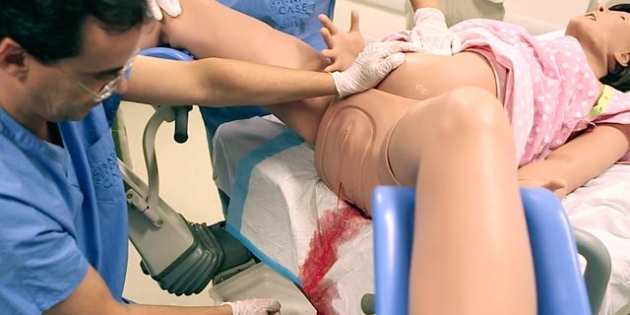
Simulation-based practice in obstetric care can help delivery teams in recognizing and effectively responding to uterine atony and excessive postpartum bleeding.
Uterine atony is defined as failure of myometrium to contract and retract around the open blood vessels of the uteroplacental implantation site following childbirth. Myometrial contractions are vital to safeguard against excessive (and, potentially fatal) blood loss.
A hypotonic uterus, or "boggy" uterus, is among the most common obstetrical conditions which may cause postpartum infection and postpartum hemorrhage (PPH). But prompt recognition of the problem, and effective management with uterine massage, uterotonic drugs, and/or other crucial interventions, can arrest post-delivery bleeding.
However, if the obstetrical situation is mishandled, or if the response is not well-timed, the ensuing result can be traumatic. Delays in establishing an accurate diagnosis, failing to perform adequate maneuvers and employing poor team communication strategies may lead to catastrophic patient outcomes.
Proper training of obstetric medical personnel in managing complications associated with uterine atony and PPH is essential.
In obstetrics and gynaecology, simulation can address key dimensions
of clinical training, technical skills and team-based management of medical emergencies,...
From demonstrating competence in establishing pneumoperitoneum safely to demonstrating leadership skills during a simulated crisis at the simulation centre, to in-situ drills at the hospital, simulation is now essential to fulfilling our mandate to provide exceptional care to [our] patients.*
Strengthening PPH Managment Skills Through Simulation Training
Subpar patient care has been shown to increase the incidence of maternal death from PPH. Drills to enhance the management of maternal hemorrhage have been recommended by the Joint Commission on Accreditation of Healthcare Organizations,** suggesting that simulation-based practice in obstetrical emergencies can go a long way towards improving clinical performance and patient safety during real-life situations.
With the Lucina maternal fetal patient simulator, learners may obtain intense, hands-on training in managing PPH ocurrences by developing and strengthening their skills in how to
- identify an over-distended uterus
- detect and respond to a boggy uterus and/or an inverted uterus
- recognize and quantify excessive post-delivery blood loss
- apply bimanual compression and uterine massage
- use an intrauterine balloon tamponade
Lucina’s vaginal bleeding reservoir holds two liters of fluid and the simulator's blood loss is modeled on true physiology. Appropriate changes occur in Lucina’s heart rate, blood pressure, and respiratory parameters for a more realistic training experience in obstetrical emergencies, such as postpartum hemorrhage management with a boggy uterus.
For all the stages of labor and delivery, the wireless CAE Fidelis Lucina Maternal Fetal Simulator provides medical procedural practice of the highest caliber. Lucina amazes with every detail, including a lifelike birthing fetus with no connection ports and a variety of delivery scenarios -- including shoulder dystocia and breech delivery.
♦ CAE Fidelis Female Patient Module
Enjoy year-round use by adding the non-gravid female module with
5 emergency Simulated Clinical Experiences (SCEs) ♦
Already own a Fidelis Lucina patient simulator? Why not share your experiences with a review?
Visit www.konsiderate.com to learn more.
Share this Page on Social Networks!




Sources:
* Garber, A., M.D., et.al. "Simulation-Based Education in Obstetrics and Gynaecology Training in Canada" Journal of Obstetrics and Gynaecology Canada, 2013
** Healthcare at the Crossroads: Strategies for Improving the Medical Liability System and Preventing Patient Injury. Joint Commission on Accreditation of Healthcare Organizations, 2008